

A well-designed home is not about chasing magazine-worthy perfection. It is about creating a space that supports your daily routines instead of slowing them down. When every room serves a purpose, ordinary tasks become easier, and the entire house feels more welcoming. The good news is that meaningful improvements rarely require knocking down walls or spending a fortune. Small changes often deliver the biggest rewards. Like tuning a bicycle before a long ride, a few thoughtful adjustments can make every day run more smoothly.
Design Rooms Around Daily Habits
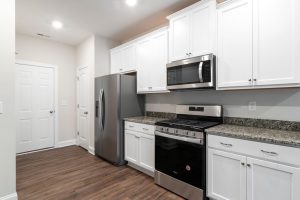 Start by paying attention to how you actually use each room. If everyone gathers in the kitchen after work, make that area comfortable and functional. Add seating, improve lighting, or create a dedicated spot for frequently used items. A room should fit your routine instead of forcing you to change it. Flexibility also matters. A guest room can double as a home office, while a dining table might become a homework station during the week. Furniture that serves multiple purposes stretches every square foot. Your house should adapt as your life changes.
Keep Everyday Essentials Within Reach
There is a simple reason some homes feel effortless to live in. Everyday items are exactly where people need them. Keep cooking tools near the stove, cleaning supplies close to busy areas, and charging stations where devices are used most often. Walking across the house for small things quickly becomes tiring. Storage should work with your habits instead of against them. Open baskets make it easy to grab blankets before movie night. Hooks by the entrance catch coats and bags before they land on chairs. These little improvements quietly save time every single day.
Create Comfortable Spaces Without Adding Clutter
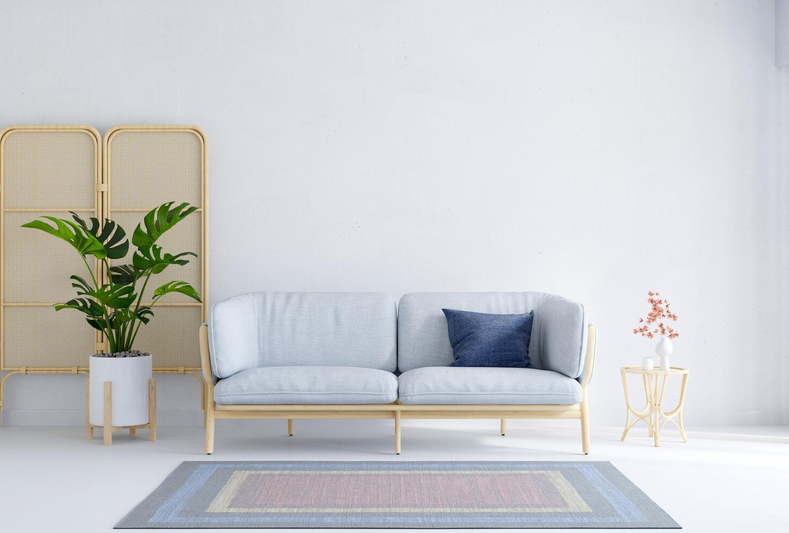
Comfort does not require filling every corner with decorations. A soft rug, supportive chair, or warm reading lamp often has more impact than another shelf of ornaments. Thoughtful choices create an inviting atmosphere while keeping rooms open and functional. Natural light also changes how a space feels. Pull back heavy curtains whenever possible and position mirrors to reflect sunlight deeper into the room. Indoor plants add freshness without overwhelming the design. Together, these details help every area feel brighter and more welcoming.
Reduce Household Stress With Simple Systems
Homes become easier to manage when everyone understands where things belong. Label storage bins, create a spot for incoming mail, and keep laundry supplies together. These systems remove guesswork from daily chores. Even children can help when organization feels straightforward. Cleaning also becomes less overwhelming when divided into smaller routines. Wiping kitchen counters after meals or spending ten minutes tidying each evening prevents larger messes from building up. Like brushing your teeth, consistency beats occasional marathon sessions.
Leave Room for Growth and Change
 Life rarely stands still for long. Families grow, hobbies change, and work routines evolve over time. A home should have enough flexibility to handle those shifts without requiring constant remodeling. Choosing movable furniture and adjustable storage makes future changes much easier. Most importantly, remember that your home exists to support the people living inside it. It does not need to impress every visitor. It simply needs to function well for your lifestyle. When your surroundings match your everyday needs, comfort becomes something you experience naturally instead of something you constantly chase.
Making your home work better starts with paying attention to everyday life. Practical layouts, smart storage, flexible spaces, and simple routines all contribute to a house that feels easier to enjoy. The most successful homes are rarely the fanciest ones. They are the ones that quietly make life a little smoother, one thoughtful decision at a time.…